
Japan is a country with a rich culture and many customs and traditions. One of the most famous things about Japanese culture is its "Shokunin" spirit. Shokunin spirit means much more than just "craftsman" or "artisan," it also represents a dedication to one's work and a commitment to excellence. This spirit is evident in many aspects of Japanese culture, from the way people greet each other to the way they give gifts.
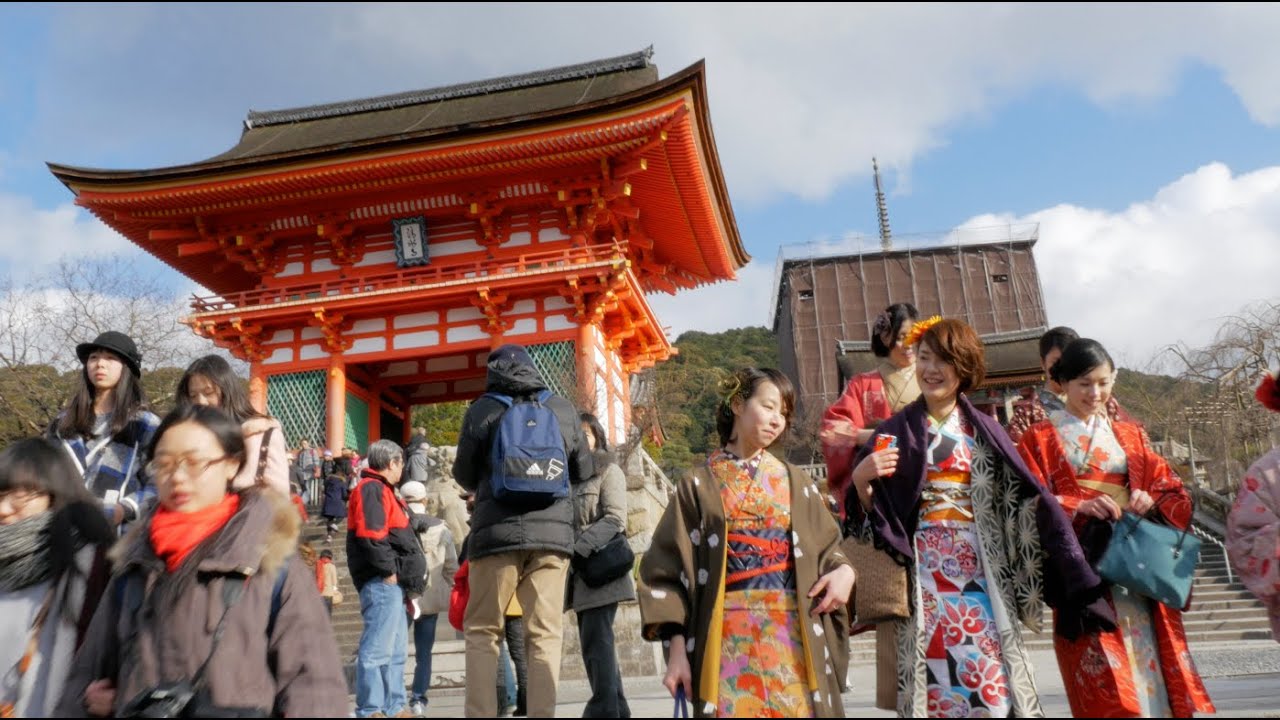
When meeting someone for the first time, it is customary to bow. Bowing is an important part of Japanese culture and shows respect for the other person. It is also considered rude to refuse a gift, so if you are given a gift, it is important to accept it graciously.
Another important aspect of Japanese culture is that everyone takes off their shoes before entering a house or office. This is because shoes are considered dirty and it is important to keep them out of the living space. If you are visiting
History
Japanese culture is a set of values that puts importance on social harmony and hard work. The history of Japan is long, unique, and blighted by many conflicts. Many of the various traditions and customs originated from foreign Buddhism, and such foreign Buddhism formed Japanese religions and cultures while it was being introduced to the country.
Japanese manners and customs are vastly different from those of Western people. A strict code of behaviour and politeness is recognised and followed by many Japanese people. History plays an important part in Japanese culture. Many castles and streets are still preserved the way they were built.
Having a polytheistic religion also means that there are many shrines and temples located all over Japan. Japanese culture is ancient and is filled with rites and traditions to honor the family. Because Japan is an island country, it was able to develop independently from other countries for centuries which has contributed to the uniqueness of its culture.
Shintoism
Shintoism is a religion that is based on the belief in kami, or supernatural beings. This religion also places a high importance on family and tradition. Japan is a country that has a long history of Shintoism, and it is still practiced by many people today.
There are many customs and traditions associated with this religion, such as the practice of misogi, which is the act of washing one's hands and mouth at a shrine. Additionally, Japanese people often have both Buddhist and Shintoist funerals. These customs and traditions are just a few examples of the way that Shintoism is still practiced in Japan today.
Buddhism
Buddhism is a religion that has been practiced in Japan for centuries, and it has had a profound impact on Japanese culture and society. Buddhism teaches that the cycle of birth, death, and rebirth (samsara) can be transcended through devotion and worship of Buddhist deities.
The Pure Land school of Buddhism specifically emphasizes the worship of Amitabha Buddha, and it is believed that salvation can be achieved through this practice. Japanese Buddhism has also give rise to many new schools of thought and practice, and it continues to be an important part of the lives of many Japanese people today.
While Buddhism has been a significant influence on Shintoism, the two religions are not mutually exclusive. In fact, many Japanese people practice both Buddhism and Shintoism simultaneously.
This is evident in the way that Buddhist altars are often found in homes alongside Shinto shrines. For Japanese people, both religions offer a way to connect with the spiritual world and to find meaning in life
Geisha culture
Japanese culture is world-renowned for its art, history, and traditions. One of the most iconic symbols of Japanese culture are geisha. Geisha are incredibly talented performers who undergo years of training in traditional Japanese arts such as dance and music.
They also learn the art of communication, which is essential to their role in Japanese culture.Geisha play an important role in Japanese society by providing entertainment and companionship to those who can afford their services. They are a symbol of Japanese culture and history, and their skills are revered by many.
While the practice of being a geisha is often misunderstood, these women are true artists dedicated to preserving traditional Japanese culture.
samurai warriors
The Japanese samurai warriors were a part of the country's elite class and operated under a strict moral code, which demanded respect and loyalty. The samurai culture also developed a lot of Japanese arts that trickled down into the country's customs and traditions. Even though the samurai warriors do not exist today, their cultural legacy still exists in Japan.
Comments
Post a Comment