
Homeowners insurance is vital to protecting your home and property, but it can be confusing to know what it covers and how rates are determined. Most policies provide a minimum of $100,000 in liability coverage, but you can purchase more if you need it. It's also important to have enough personal property coverage to replace your belongings if they are damaged or destroyed.
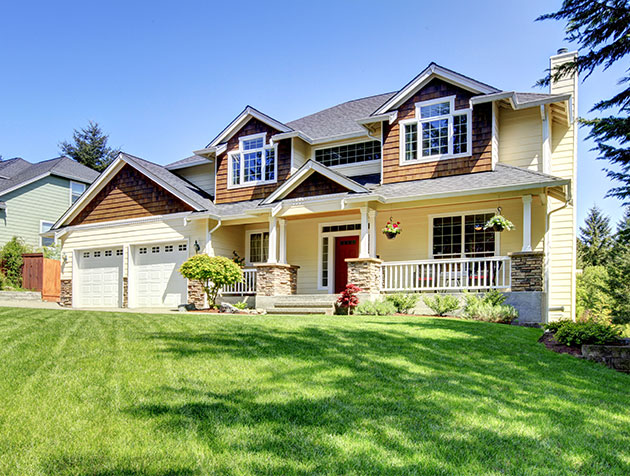
You can get a homeowners quote quickly by knowing the details of your home and having all of the necessary information at hand. And remember, if you're getting a mortgage, your lender will require you to have homeowners insurance. Make the most of your coverage by knowing what you need and ensuring that you have enough to protect your home in the event of damage or loss.
What Does Homeowners Insurance Cover?
Homeowners insurance is a crucial part of owning a home. It can help cover the cost of repairing or rebuilding your home if it is damaged by fire, hurricane, hail, or other disasters. It can also cover the cost of replacing your personal belongings if they are lost or stolen. In addition, homeowners insurance can cover liability claims against you if someone is injured on your property.
Other structures coverage can help pay to repair damage to detached structures on your property, such as a shed or garage. Dwelling coverage can help pay to repair damage to your house itself. And personal belongings coverage will reimburse you for the value of any damaged or lost possessions.
Be sure to read your policy carefully to understand what is and is not covered by your homeowners insurance. But rest assured that with coverage in place, you and your family will be taken care of if the worst should happen.
What Doesn\'t Homeowners Insurance Cover?
There are a lot of things that standard homeowners insurance policies don't cover. These include damage from floods, earthquakes, and termites. Mold is also often not covered. These exclusions can cause major financial headaches for homeowners if they experience damage from these sources. It's important to be aware of what your policy does and does not cover so that you can be prepared financially in case of damage to your home.
How Much Homeowners Insurance Do You Need?
Most homeowners insurance policies have a minimum of $100,000 in liability coverage, but you may want to have more than that. It's recommended that you have enough coverage to replace all your belongings.
The amount of personal property coverage you need is typically set at 50% of your dwelling coverage amount. That means if your home is insured for $200,000, you should have $100,000 in personal property coverage. MoneyGeek's recommendation: 20% of your dwelling coverage is standard. That should be sufficient unless you want to purchase more to ensure you're fully protected.
What Affects the Cost of Homeowners Insurance?
There are many factors that affect the cost of homeowners insurance. Some of the most important factors include the cost to rebuild the home, the location of the home, and the age and construction of the home.
Homeowners insurance rates can vary widely from company to company, so it's important to shop around and compare rates before buying a policy.
How to Save Money on Homeowners Insurance
There are a few things that homeowners can do in order to save money on their insurance. One way is to raise the deductible. This means that the homeowner would be responsible for paying more out of pocket if there was a claim, but it would lower the monthly payments.
Another way to save money is to shop around and compare rates from different companies. It's also important to make sure that the home is as secure as possible in order to get a discount from the insurance company. Finally, homeowners should file claims judiciously and only when necessary in order to avoid raising premiums. By following these tips, homeowners can save money on their insurance.
Comments
Post a Comment